
LEARN THE RESEARCH

VIEW PHARMACOLOGY
COMPARE POTENCY
Cychlorphine is a synthetic opioid belonging to the morphinan derivative class a structurally defined family of compounds that includes some of the most studied analgesic agents in pharmacological literature. Its pharmacological profile has been characterised primarily through preclinical and experimental research, where it demonstrates potent μ-opioid receptor agonism and strong central analgesic activity.
The compound does not have an established clinical or therapeutic use. It is discussed in scientific literature in the context of receptor binding research, structure activity relationship analysis, and comparative opioid pharmacology.
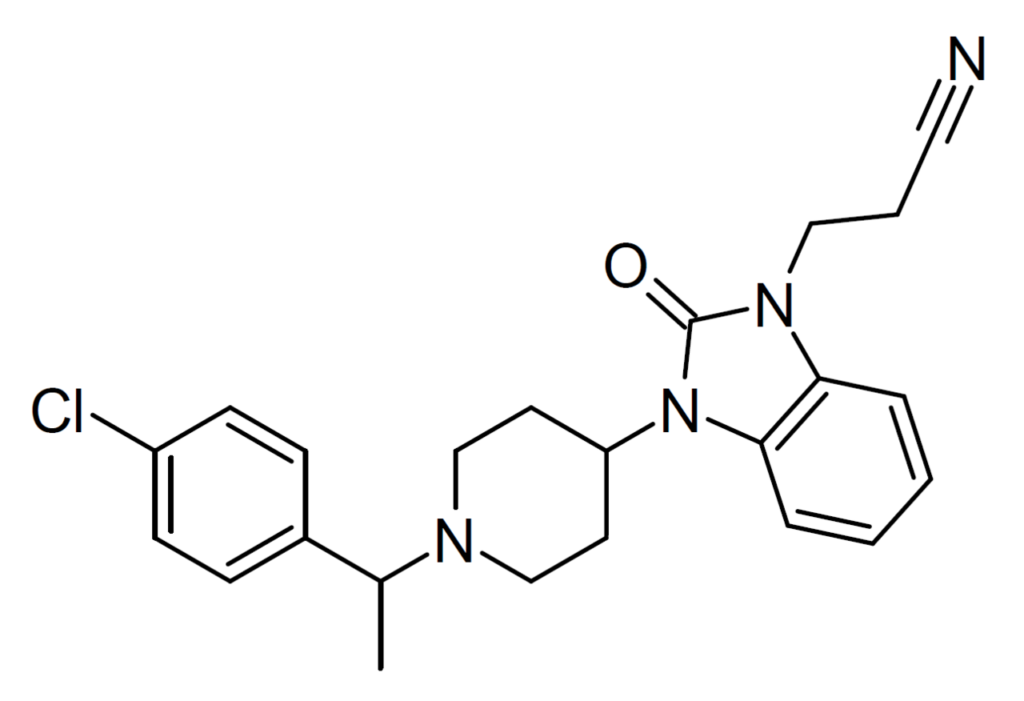
- Drug Class: Synthetic opioid : morphinan derivative
- Primary Receptor Target: High-affinity μ-opioid receptor agonist, acting on G-protein-coupled receptors distributed throughout the central and peripheral nervous systems
- Pharmacological Activity: Potent central analgesic effect demonstrated in preclinical animal models, with dose-dependent CNS suppression consistent with high-potency morphinan opioids
- Relative Potency: Significantly higher than morphine in controlled animal studies and receptor binding assays a finding relevant to comparative pharmacology research, not clinical dosing
- Primary Risks: Respiratory depression, tolerance development, and physical dependence risks consistent with all high-affinity μ-opioid receptor agonists and proportional to receptor activation strength
- Research Status: Experimental compound studied within pharmacological and preclinical literature; not approved for clinical or therapeutic use
Uncategorized
WHAT ARE CYCHLORPHINES ?
Cychlorphine is a synthetic opioid compound that emerged from pharmacological research into high-potency analgesic agents. Structurally, it belongs to the morphinan derivative class the same broad chemical family as morphine though its receptor binding characteristics and preclinical potency profile place it in a distinctly different pharmacological tier.
The compound is not used in clinical medicine. It has no established therapeutic application and is not prescribed. What exists in the scientific literature on cychlorphine comes almost entirely from preclinical research laboratory and animal model investigations examining receptor binding, analgesic activity, and structure activity relationships within the morphinan opioid class.
Its significance is pharmacological and scientific: cychlorphine serves as a research reference point for understanding how structural modifications to the morphinan backbone translate into changes in μ-opioid receptor activation strength.
Chemical Structure and Classification
Cychlorphine’s pharmacological behaviour begins with its molecular architecture. The compound is built on the morphinan backbone a polycyclic ring system that forms the structural foundation of many classically studied opioid compounds, including morphine itself.
What distinguishes cychlorphine within this class is how specific structural modifications to that backbone influence its receptor interaction profile:
- Polycyclic morphinan core — the foundational ring system shared across morphinan-class opioids, governing basic receptor compatibility
- Substituent groups affecting μ-receptor selectivity — molecular additions that fine-tune which receptor subtypes the compound preferentially binds
- Structural elements contributing to high binding affinity — features of the molecular geometry that allow for particularly efficient receptor engagement
Structure–activity relationship research consistently indicates that cychlorphine’s specific configuration enhances its interaction with μ-opioid receptors compared to less potent morphinan analogues. Small modifications to opioid molecular structures can produce large shifts in receptor affinity and duration of action and cychlorphine’s structural profile sits toward the high end of that affinity spectrum within its class.

Pharmacology and Mechanism of Action
μ-Opioid Receptor Agonism
The core of cychlorphine’s pharmacology is its activity as a high-affinity μ-opioid receptor agonist. μ-Opioid receptors are G-protein-coupled receptors found throughout the central and peripheral nervous systems — they are the primary molecular target of most clinically significant opioid compounds and the receptors responsible for opioid analgesia.
When cychlorphine binds to these receptors, a well-characterised intracellular cascade follows:
- Adenylate cyclase activity decreases, reducing cAMP production
- Intracellular cyclic AMP levels drop, altering downstream protein kinase signalling
- Potassium channels open, hyperpolarising the neuronal membrane
- Neuronal excitability is reduced across pain transmission pathways
The result is suppression of nociceptive signalling — the biological mechanism of opioid analgesia. Cychlorphine’s strong receptor binding means this cascade is initiated efficiently, which is the molecular basis of its elevated potency in preclinical models.
Central Nervous System Effects
As with other high-affinity μ-opioid agonists, receptor activation by cychlorphine produces a characteristic range of CNS effects in experimental settings:
- Analgesia — suppression of pain signalling at spinal and supraspinal levels
- Sedation — reduced arousal and CNS depression
- Respiratory depression — suppression of brainstem respiratory drive, the primary safety-critical effect of potent opioid compounds
- Reduced gastrointestinal motility — a peripheral effect of opioid receptor activation seen across the class
The strength of cychlorphine’s receptor binding amplifies each of these effects relative to lower-affinity reference compounds. That is both the pharmacological interest of the compound and the basis for the safety considerations discussed below.
GET OTHER ORPHINES
Uncategorized
Uncategorized
Uncategorized
Uncategorized
Uncategorized

Uncategorized
Uncategorized
Uncategorized
Uncategorized
Uncategorized
Uncategorized
Uncategorized
Central Nervous System Effects
As with other high-potency opioids, receptor activation may produce:
-
Analgesia
-
Sedation
-
Respiratory depression
-
Reduced gastrointestinal motility
The strength of cychlorphine receptor binding contributes to its substantial pharmacodynamic effect profile.
Cychlorphine Potency Compared to Morphine
One of the most frequently researched aspects of cychlorphine is its potency relative to morphine.
Preclinical studies indicate that cychlorphine demonstrates significantly greater analgesic potency in animal models. Increased receptor affinity and intrinsic activity at μ-opioid receptors contribute to this elevated potency.
Higher potency opioids generally carry:
-
Increased risk of respiratory depression
-
Narrower therapeutic margins
-
Greater overdose potential
When discussing cychlorphine potency, it is important to interpret data within controlled research settings rather than extrapolating directly to clinical dosing contexts.


Frequently Asked Questions
What is cychlorphine?
Cychlorphine is a synthetic opioid compound belonging to the morphinan derivative class. It is studied in preclinical pharmacological research for its high μ-opioid receptor binding affinity and potent analgesic activity in animal models. It has no established clinical or therapeutic use.
How strong is cychlorphine compared to morphine?
Preclinical research indicates cychlorphine is significantly more potent than morphine in animal models, based on receptor binding affinity data and analgesic dose-response comparisons. This finding is specific to controlled research settings and does not constitute clinical dosing guidance.
What receptor does cychlorphine bind to?
Cychlorphine acts primarily as a high-affinity agonist at μ-opioid receptors G-protein-coupled receptors distributed throughout the central and peripheral nervous systems that mediate opioid analgesia, sedation, and respiratory effects.
Is cychlorphine used medically?
No. Cychlorphine does not have an approved clinical or therapeutic application. It is referenced in scientific literature as a research compound in the context of opioid receptor pharmacology and synthetic analgesic research.
Is cychlorphine legal?
Regulatory and scheduling status varies by jurisdiction. Cychlorphine may be subject to analogue legislation, controlled substance regulations, or research compound controls depending on the country. Readers should consult official national regulatory databases or qualified legal advisors for jurisdiction-specific information.